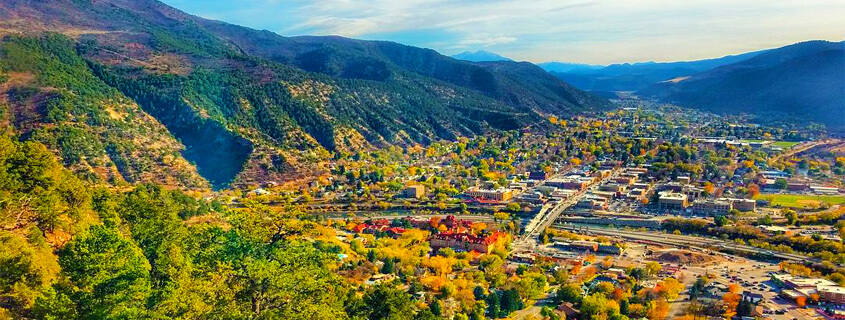
In Colorado, the term “Gold Medal Waters” signals something truly special. It’s a designation reserved for river stretches and lakes that consistently support exceptional trout fishing. Here in Glenwood Springs, where the Colorado and Roaring Fork Rivers meet, that recognition feels especially meaningful. Visitors come for the scenery, but they quickly discover that these rivers offer some of the most rewarding fishing experiences in the state.
Gold Medal Waters earn their status by meeting strict biological criteria. The designation is based on trout health and density, not popularity or aesthetics. To qualify, a fishery must meet several benchmarks:
• At least 60 pounds of trout per acre
• A minimum of 12 trout over 14 inches per acre
• Public access
• Minimum size requirements for length or surface area
Only a small portion of Colorado’s waterways meet these standards, which is why the designation commands so much respect. It identifies a fishery that consistently supports thriving trout populations while offering anglers a dependable experience.
This designation means visitors have a strong chance of encountering mature trout, experiencing varied river conditions, and finding easy access points. Whether you prefer wading, floating, or simply exploring the riverbanks, these waters offer something for every skill level. Consistency is part of the appeal. Aficionados know they’re stepping into a fishery that’s been carefully monitored and managed.
Glenwood Springs is uniquely positioned at the heart of two celebrated rivers. Portions of both the Colorado River and the Roaring Fork River carry Gold Medal status, giving enthusiasts exceptional fishing opportunities within minutes of downtown.
The Colorado River features long, scenic stretches known for energetic rainbows and impressive browns. Its dynamic flows create a mix of deep runs, riffles, and pockets that keep anglers engaged. The Roaring Fork River, flowing from Aspen to Glenwood Springs, provides clear water, lively trout, and diverse terrain. It’s a river that rewards exploration, whether you’re new to fly fishing or have years of experience.
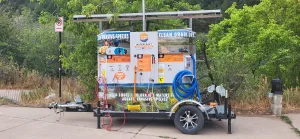 One of the most important tools supporting river health is the network of mobile invasive-species cleaning units stationed along the Colorado River. These units help prevent the spread of aquatic invasive species, which can harm ecosystems and threaten trout populations.
The stations support the Clean, Drain, Dry process, encouraging boaters, paddlers, and anglers to remove debris, empty watercraft, and dry equipment thoroughly. They typically include:
• Brushes and hoses for removing mud, plants, and residue
• Drain plugs and guidance for emptying boats and gear
• Drying tools to eliminate moisture
• Clear instructions for proper cleaning
Using these stations is quick and straightforward. Even small organisms can hitch a ride on boats, paddleboards, or waders, so a few minutes of cleaning can make a meaningful difference. Protecting the rivers ensures that future visitors can enjoy the same high-quality fishing for which Glenwood Springs is known.
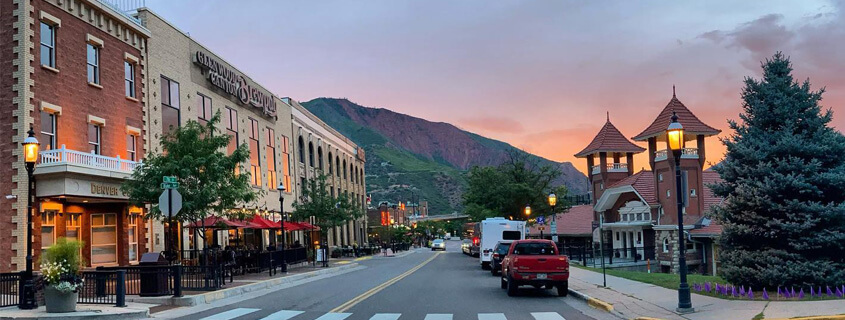
Beyond the rivers themselves, Glenwood Springs offers a full mountain town experience. Travelers appreciate the walkable downtown, friendly outfitters, comfortable lodging, and the chance to unwind in natural hot springs after a day on the water. It’s where outdoor adventure blends seamlessly with relaxation.
Glenwood Springs takes pride in caring for the rivers that shape our landscape and fuel our outdoor culture. These waters support unforgettable fishing experiences, but they also reflect the community’s commitment to conservation and responsible recreation. When you choose Glenwood Springs as your home base, you’re stepping into a place that values its waterways and works hard to keep them healthy for everyone who loves spending time along their banks.