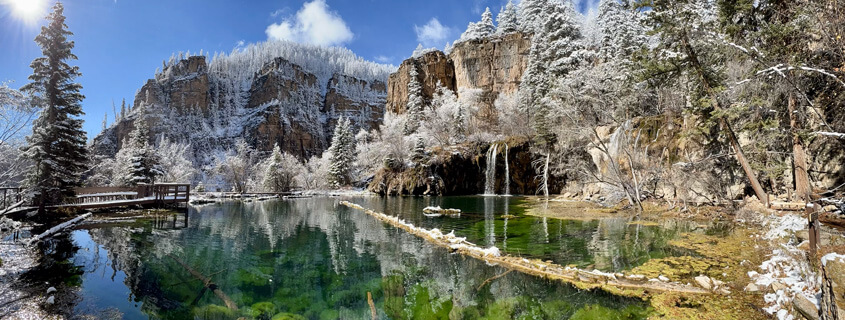
Hanging Lake in Glenwood Springs is gorgeous year-round. Most visitors hike the fabled trail in warn weather months, but the snow-covered landscape of winter is an especially magical time to view the stunning lake and falls.
High on the list of things to do in Glenwood Springs, planning an excursion to Hanging Lake is top choice for visitors. Designated as a National Natural Landmark by the U.S. Department of the Interior, the cliffside lake in Glenwood Canyon is truly a breathtaking destination, and one not to be missed no matter what time of year you visit, whether you’re in town to enjoy winter sports or poolside summer sunshine.
If you decide to do a little winter trekking, be sure you’re prepared not only with the right gear, but also the right mindset. Knowing what to expect will ensure your winter hike to Hanging Lake is among the many highlights of your Glenwood Springs getaway.
Hanging Lake Basics
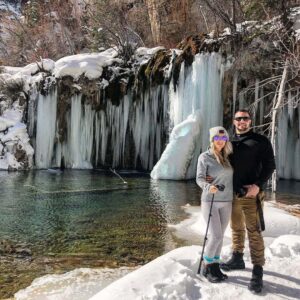 First things first, you’ll need a permit to hike Hanging Lake. Choose your day, time slot, and book your reservation. Permits are just $12 per person, with a suggested three hours to complete your trek, plenty of time to hike 3.1 miles (4.98 km) roundtrip. While many Glenwood Springs trails welcome pets, Hanging Lake does not. It’s a pet-free trail. Also keep in mind that while the lake is home to cold-water rainbow trout, fishing is strictly prohibited. The fish are an integral part of the lake ecosystem and are for viewing enjoyment only. For amazing trout fishing opportunities, instead head to Glenwood’s fishing holes along the Roaring Fork and Colorado Rivers.
Once you’ve secured your permit, here’s what hiking Hanging Lake in winter is like.
What to Expect
Hanging Lake is steep; it gains 1,200 feet (366 m) in elevation in just 1.2 miles. Due to the incline, rocky terrain, and uneven surfaces, the trail is rated as moderately difficult. Add some snow and ice into the mix, and the rating inches up, becoming slightly more difficult.
Fortunately, Hanging Lake trail has been significantly upgraded, making the trail easier to navigate. In 2025, the U.S. Forest Service widened the trail, added natural steps to reduce erosion, replaced bridges over Dead Horse Creek, reinforced creek-side stone walls, upgrades railings leading up to the lake, all of which improve the hiking experience, no matter what time of year you go.
Winter Hiking Prep
 Being prepared is the key to an outstanding hike to Hanging Lake, no more so than in winter. A quick checklist of things to bring includes:
• Proper footwear like hiking boots, and possibly gaiters if snow is deep
• Traction devices (spikes) and/or trekking poles for balance and steadiness especially if there is ice
• Warm clothing including base layers, a windproof jacket, hat, and gloves
• Water or hydration with electrolytes
• Sunscreen and sunglasses because while it might be cold the sun is still intense
• Snacks for munching and refueling along the way
Hanging Lake Highlights
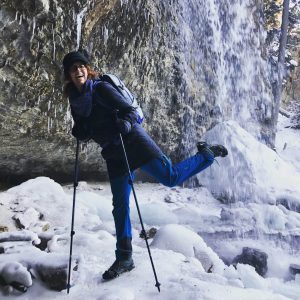 You’ll know you’re close to the lake when you hit the wall—literally. Hanging Lake sits on the edge of a cliff. As you make the final approach to the lake, a monolithic rocky wall will be on your left; and on your right a railing to assist in safely ascending the last stretch to the lake. Pause for winter views as you climb. Vistas of Dead Horse Canyon open up majestically below. You’ll round a final corner near the top, where the trail gives way to a boardwalk which encompasses most of the lake’s shoreline. Take in lake views from several boardwalk overlooks or sit for a spell and munch on that snack you brought along. Just be sure to practice Leave No Trace principles and pack any trash out with you.
As you ponder the panorama, your eye will immediately be drawn to the triple waterfall. In winter thin crusts of ice form over the running falls creating spectacular ice formations. The lake itself may be partially frozen at the edges, creating a snowy frame for dazzling emerald colored water.
If you have energy to spare, view another waterfall with a short walk to Spouting Rock, just 200 yards beyond the lake. The natural geological formation was created by water carving its way through solid rock over time. In spring, during runoff season, water thunders through the hole. In winter, it still flows, but more gently. What’s even more fun, is hikers can walk behind the falls into a shallow natural cave to view the torrent from behind!
Why Wait? Hike Hanging Lake This Winter
Winter brings a quieter, but equally lovely experience to one of Colorado’s most beloved hikes. Learn more about all the great things to do in Glenwood Springs in winter—and every season—and start planning your visit today.